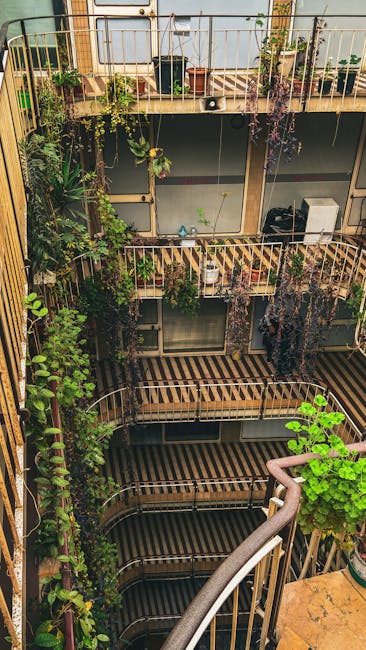
Insider tips on flats gardening near Highbury and Islington

If you live in a flat near Highbury and Islington, gardening can feel like a puzzle with half the pieces missing. Space is tight, light changes through the day, wind can be sneaky, and storage is never quite enough. Still, a small balcony, terrace, or shared courtyard can become a proper green retreat with the right approach. These insider tips on flats gardening near Highbury and Islington focus on what actually works in real London homes: compact planting, low-fuss maintenance, smart watering, and design choices that make a small outdoor space feel calm rather than cluttered.
Let's face it, flat gardening is not about trying to recreate a country border in miniature. It is about making the most of what you have, season by season, without turning your Saturday into a second job. Below, you'll find practical guidance for renters and owners, first-time plant parents, and anyone who wants a balcony or shared outdoor area that looks good and stays manageable.
Why Insider tips on flats gardening near Highbury and Islington Matters
Highbury and Islington sits in that very London sweet spot where homes are well connected, busy, and often short on outdoor space. That is exactly why thoughtful flat gardening matters. A balcony box packed with the wrong plants can look tired in a fortnight. A courtyard that is overwatered, underlit, or badly arranged can start feeling like dead space. And once that happens, people stop using it.
The real value of good flat gardening is not just decoration. It is comfort. A tidy planting scheme softens hard edges, takes the pressure off urban noise, and gives you a space that feels like yours. Even one healthy planter can shift the mood of a morning coffee or an evening wind-down. Small difference, big effect.
There is also a practical side. In compact homes, every square metre has to earn its place. Plants that cope with shade, wind, and container life are worth far more than showy species that only look good for two weeks. To be fair, a lot of the best results come from restraint: fewer plants, better chosen, better cared for.
If you are building a wider outdoor setup, it may help to think beyond planting alone. Some residents pair green space with simple hard landscaping or a small decked area to create usable footing and a cleaner layout. When that is the case, it can be worth looking at decking services or broader landscaping support, especially where the aim is to make a balcony or terrace feel more finished and less improvised.
How Insider tips on flats gardening near Highbury and Islington Works
Flat gardening works best when you think in layers. You are not simply placing pots around and hoping for the best. You are working with light, shelter, weight, access, and maintenance. That is the whole game.
First, assess the space honestly. Does it get morning sun, afternoon sun, or only a bright reflection from nearby buildings? Is it windy in winter? Is there a tap close by, or will you be carrying watering cans through the flat? Those details sound boring until the first heatwave arrives and suddenly they matter very much.
Next, choose planting that suits container life. Herbs, evergreen structure plants, drought-tolerant perennials, and compact shrubs often perform better than thirsty, high-maintenance species. For many flats, the easiest route is a mix of trailing plants, upright plants, and one focal feature. That mix gives depth without crowding the view.
Then comes routine. Small spaces show neglect quickly, but they also recover quickly if you stay on top of things. A five-minute check every few days can prevent the usual headaches: dry compost, blown-over pots, algae on surfaces, or legginess from poor light. Tiny habit, big payoff.
And there is a design logic too. In flats, the eye reads clutter fast. If every corner has a different pot, colour, and texture, the whole thing can feel messy. If you repeat a few materials and keep the palette tight, it suddenly looks intentional. That's the trick. Not fancy, just deliberate.
Key Benefits and Practical Advantages
The best flat gardens are not the flashiest. They are the ones you keep enjoying in February, June, and that damp Tuesday in October when everything else feels a bit grey.
- Better use of limited space: Vertical planting, railing planters, and slim pots free up floor area.
- Lower maintenance: The right plant choices reduce watering, pruning, and replacement costs.
- Year-round appeal: Evergreen structure keeps a balcony or terrace from looking bare in winter.
- Improved privacy: Tall containers and layered planting can screen overlooked corners.
- More usable outdoor time: A well-arranged space encourages you to actually sit out there, rather than just step outside and retreat again.
There is a quieter benefit too. A tidy, living space tends to make the whole flat feel more cared for. You notice it when you open the door and the place smells faintly of compost, rosemary, or wet leaves after rain. Very simple. Very human.
If you want the space to stay neat without turning it into a weekend project, ongoing upkeep matters. Services such as garden maintenance can be useful where you need regular tidying, planting care, or help keeping things under control between busy periods. For many people, that regular rhythm is what keeps a small garden from slipping into chaos.
Who This Is For and When It Makes Sense
This approach suits a lot of people, not just dedicated gardeners. In fact, some of the best flat gardens are created by people who simply wanted one pleasant corner and were willing to be practical about it.
- Renters who need portable, flexible planting that can move with them.
- Owners who want to add value to a balcony, roof terrace, or shared outdoor area.
- Busy professionals who need low-maintenance greenery, not a horticultural second shift.
- New gardeners who want to start with a few reliable plants and build confidence.
- Older residents who prefer safe, manageable planting rather than heavy lifting and constant pruning.
It also makes sense if your outdoor space is awkward rather than generous. Odd-shaped balconies, north-facing courtyards, and terraces exposed to wind can all be improved with the right layout. You do not need perfect conditions. You need realistic ones.
And if you are dealing with an already crowded or neglected exterior, a bit of clean-up may help before you plant anything. In some cases, garden clearance gives you a cleaner starting point, which is often half the battle. A fresh surface changes how you think about the space. Funny how that works.
Step-by-Step Guidance
Here is a straightforward way to build a flat garden that works near Highbury and Islington without overcomplicating things.
- Measure and observe the space. Note width, depth, sun exposure, wind, drainage, and access. If the floor gets slippery when wet, treat that as a design issue, not an afterthought.
- Decide the main purpose. Is this a place for herbs, a private sitting area, a colourful display, or all three? One space can do several jobs, but it helps to choose a primary purpose first.
- Pick a simple layout. Keep larger pots at the edges, leave a clear walking strip, and avoid blocking doors or windows. In small spaces, open floor area is part of the design.
- Choose containers with drainage. Pots need holes. Saucers, feet, or raised bases can protect surfaces and help airflow. No drainage, no peace of mind.
- Use a layered planting mix. Combine one structural plant, a few mid-height plants, and trailing or low-growing options for softness.
- Set up watering that suits your routine. If you travel often or forget easily, choose drought-tolerant plants and larger pots that hold moisture better.
- Mulch and feed sensibly. A top layer of mulch can slow evaporation. Slow-release feed is often easier than constant fussing.
- Review every month. Replace weak plants, trim leggy growth, and rotate pots if one side is getting more light.
If the space includes hedges, shared boundary planting, or tall screening, you may need extra care with height and maintenance. That is where hedge trimming can become useful, especially if neighbours are affected or the planting starts to sprawl. A little structure goes a long way.
Expert Tips for Better Results
These are the sorts of things that tend to separate a decent flat garden from one that quietly looks good all year.
Match plant size to the container, not the fantasy
It is tempting to buy a plant because the label looks cheerful and the flowers are lovely. But if the root system has nowhere to go, the plant will struggle. Choose plants that are happy in containers long term, not just for the first few weeks.
Use repetition to make the space feel bigger
Repeating the same pot material, leaf shape, or colour family makes a small area feel calmer. A single repeated element can do more than five unrelated features. Strange but true.
Keep one or two "anchor" plants
An evergreen olive, compact bay, clipped pittosporum, or tidy ornamental grass can give the whole arrangement a sense of permanence. Then you can swap seasonal colour around it.
Think about sightlines from inside the flat
When you stand at the kitchen sink or sit on the sofa, what do you actually see? In many flats, the view from indoors matters more than the view from the far edge of the balcony. Place your best plants where your eye lands naturally.
Choose surfaces you can keep clean
Concrete dust, dead leaves, and rain splash build up fast in city spaces. Keep pots on trays or feet where sensible, and make sure you can sweep easily. A garden should be lived in, not tiptoed around.
Plan for winter before summer gets too comfortable
By August, everything seems fine. Then the colder months arrive and bare stems reveal every weak decision. Include evergreen structure, winter interest, or at least hardy planting that will not collapse the moment the temperature dips.
For larger redesigns, or when you want the whole outside area to feel more cohesive, it may help to explore landscape gardening rather than treating each pot as a separate project. The difference is subtle at first, then quite noticeable. The space starts to read as one plan.
Common Mistakes to Avoid
Most flat-garden problems are not dramatic. They are usually just a handful of small decisions that compound over time.
- Buying too many plants too soon. The result is often clutter, stress, and more watering than you expected.
- Ignoring weight limits. Large pots, wet compost, and heavy planters can become an issue on balconies. If in doubt, keep it lighter and spread weight out.
- Choosing thirsty plants for a sunny ledge. They may look fine in the shop and then melt away by midsummer.
- Forgetting wind exposure. Tall, flimsy stems and top-heavy pots can get battered very quickly.
- Letting drainage fail. Waterlogged roots are one of the quickest ways to lose healthy plants.
- Overcrowding the space. A cramped layout can make even expensive planting look cheap. Harsh, but accurate.
One small human mistake I see a lot: people fall in love with a plant on a sunny day, buy it, and only later realise their balcony gets cold wind and almost no direct light. Happens all the time. The plant was not the problem; the match was.
If you are starting from a messy or half-used outdoor area, clearing away old debris, broken containers, and dead growth first can make a big difference. A tidy base almost always leads to better decisions. It is much easier to think clearly when you are not stepping over three old pots and a mystery tarp.
Tools, Resources and Recommendations
You do not need a shed full of gear. In a flat setting, simple and compact usually wins.
| Item | Why it helps | Best for |
|---|---|---|
| Lightweight pots | Easier to move, cleaner on balconies, and less likely to overload a small space | Renters and upper-floor gardens |
| Long-spout watering can | Lets you water accurately without soaking furniture or floors | Compact balconies and narrow terraces |
| Secateurs | Useful for deadheading, cutting back soft growth, and tidy shaping | Routine upkeep |
| Pot feet or raisers | Improves drainage and protects surfaces from staining | Decking, paving, and waterproofed floors |
| Moisture-retaining compost | Helps reduce watering frequency in exposed spaces | Sunny or windy balconies |
For some residents, the bigger question is not which tool to buy, but how often to maintain the space. If that is you, a regular visit from a local team can be a sensible option. Services such as lawn mowing may not apply to every flat garden, of course, but the broader point is that routine care keeps any green space from drifting into neglect.
You might also want to look at the company's services overview if you are comparing support for planting, tidy-up work, or structural improvements. And if you want to understand how requests, estimates, and payment handling are approached, the site's pricing and quotes information can help set expectations before you start.
Law, Compliance, Standards, or Best Practice
For flat gardening, the main compliance issues are usually practical rather than dramatic. That said, it is wise to stay alert to building rules, lease terms, safety considerations, and neighbour impact.
If you are in a leasehold flat or shared building, check whether there are any restrictions on balconies, external decorations, storage, drainage, or weight loading. Some buildings are flexible; others are not. Better to know early than be asked to move everything after the fact.
Also think about safety. Wet floors, loose planters, trailing hoses, and unstable tall pots can create avoidable hazards. Keep paths clear, secure anything tall, and avoid placing heavy items where they could tip. A calm garden is a safe garden.
For professional work, it is sensible to use providers that treat insurance, site safety, and working practices seriously. If you are comparing services, it is worth reading pages such as insurance and safety and the health and safety policy. Those details can tell you a lot about how carefully a job is managed.
Environmental best practice matters too. Reusing containers, composting where possible, and choosing plants suited to the space can reduce waste and make maintenance easier. If sustainability is part of your decision, the company's recycling and sustainability information is worth a look. Not glamorous, but very sensible.
And if you are ever unsure about how a job will be handled, especially around access, tidying, or site conduct, it is reasonable to ask directly. Trust is built in the boring details, truth be told.
Options, Methods, or Comparison Table
Different flat-garden setups suit different lifestyles. Here is a plain-English comparison.
| Method | Pros | Cons | Best for |
|---|---|---|---|
| Standalone pots | Flexible, easy to move, good for renters | Can look scattered if not planned carefully | Small balconies and first-time gardeners |
| Vertical planting | Saves floor space, adds privacy | Can dry out faster and need secure fixing | Narrow terraces and screened corners |
| Raised beds or planters | More soil depth, easier on the back, structured look | Heavier and less portable | Owners and permanent terraces |
| Mixed hard and soft landscaping | Most polished look, better everyday usability | Higher planning effort and often higher cost | Anyone wanting a long-term improvement |
If your space is seriously overgrown, awkward, or simply starting from scratch, a more structured approach can help. That may include landscaping or, in some cases, a tidier base of garden clearance before any planting begins. There is no point decorating a messy frame and calling it finished.
Case Study or Real-World Example
Here is a realistic example from a typical flat-garden project near Highbury and Islington, the sort of space many people recognise straight away.
A resident had a narrow balcony with partial shade, strong afternoon wind, and not much storage. The first attempt had gone badly: three mismatched pots, one thirsty flowering plant, a sagging herb tray, and a pile of dead compost bags. It did not look terrible from a distance, but up close it felt fussy and a bit tired. You know the type.
The solution was simple rather than dramatic. The layout was stripped back to just a few larger containers, each with proper drainage and a consistent pot finish. One evergreen plant provided year-round structure. Herbs moved to the brightest corner. A couple of trailing plants softened the rail edge. The floor area was kept clear so the balcony still felt walkable, which mattered more than adding more plants.
After that, maintenance became easier. Watering took less time, wind damage dropped, and the balcony stopped feeling like a collection of problems. It became a place to stand with a cup of tea at 7:30 in the morning, looking out over the street while everything was still quiet. That part matters. The garden worked because it fit real life, not because it looked perfect in a photograph.
Practical Checklist
Use this checklist before you buy plants or change the layout.
- Measure the usable floor area, not just the total balcony or terrace size.
- Check sun, shade, wind, and rain exposure through the day.
- Confirm any lease, building, or management restrictions.
- Choose pots with drainage holes and suitable bases.
- Pick a small, repeatable colour palette for pots and accessories.
- Decide whether you want privacy, herbs, flowers, or a sitting area first.
- Keep a clear route to doors and windows.
- Use plants suited to your light levels, not just what looks nice in the shop.
- Plan a watering routine that matches your actual schedule.
- Leave room for growth, because plants do not stay tiny forever.
If you are unsure where to begin, start small. One tidy corner is better than a crowded balcony that makes you sigh every time you open the door.
Conclusion
Good flat gardening near Highbury and Islington is not about having lots of space. It is about making smart choices in a small one. Choose plants that suit the conditions, keep the layout simple, and stay on top of maintenance before problems build up. That is the real insider secret, if there is one.
When a flat garden works, it feels almost effortless. The space looks calmer, the plants cope better, and you end up using it more often. And honestly, that is the point. Not perfection. Usefulness, beauty, and a bit of breathing room in the middle of city life.
If you are ready to improve a balcony, terrace, or shared outdoor space, start with a realistic plan and, if needed, bring in support for the jobs that are best handled professionally. A thoughtful approach now saves a lot of faff later.
Get a free quote today and see how much you can save.
And if all you do this week is swap one tired pot for one healthy plant, that still counts. Sometimes the smallest change is the one that finally makes the space feel like home.
Frequently Asked Questions
What are the best plants for flats gardening near Highbury and Islington?
Plants that suit container life and local conditions usually perform best. Think compact evergreens, herbs, hardy perennials, ornamental grasses, and trailing plants that can handle wind or partial shade. The right plant depends on whether your space gets morning sun, full sun, or mostly shade.
How do I make a small balcony look less cluttered?
Use fewer pots, repeat the same container style, and keep one clear walking strip. A small number of stronger plants often looks better than lots of tiny ones. The eye likes calm more than chaos, even if we do not always admit it.
Can I garden on a rented flat balcony?
Usually, yes, but check your tenancy agreement or building rules first. Be careful with weight, drainage, and anything fixed to railings or walls. Portable planters are often the safest and most flexible choice for renters.
How often should flat plants be watered?
There is no single rule because it depends on plant type, pot size, weather, and exposure. Small pots dry out faster than large ones. In warm, windy periods, some containers may need water every day. In cooler weather, far less. Check the compost rather than watering on autopilot.
What if my flat garden gets very little sun?
Choose shade-tolerant plants and avoid species that need lots of direct light. Ferns, some evergreen plants, and certain leafy herbs can work well, depending on how dim the space is. You can also use lighter pots and reflective surfaces to make the area feel brighter.
Is vertical gardening a good idea for flats?
Yes, as long as it is secure and not overloaded. Vertical planting can save floor space and add privacy, which is often handy in urban settings. Just remember that higher containers may dry out faster and may need more regular checks.
How do I stop balcony pots from blowing over?
Use heavier or wider bases, keep tall plants sheltered, and avoid placing fragile items at the exposed edge. Grouping pots can also help stability. If wind is strong, choose lower-growing plants and more robust containers.
Do I need professional help for a small flat garden?
Not always, but professional help can be worthwhile if the space needs clearance, structural changes, or ongoing maintenance. It can also save time if you want a polished result without spending every weekend on it.
What is the easiest way to keep a flat garden healthy year-round?
Start with plants suited to the site, use containers with good drainage, and set a regular maintenance rhythm. A quick weekly check is often enough to spot dry compost, pests, or overgrowth before things slide.
How can I make a shared courtyard feel more private?
Layered planting, taller containers, and carefully placed screening plants can help. You want privacy without creating a blocked or heavy feel. The trick is to soften sightlines, not shut the whole place down.
What should I do before starting a new flat-garden project?
Clear the space, measure it properly, check any building restrictions, and decide what the garden needs to do for you. That might be herbs, seating, colour, or simply a calm view from inside. Once that is clear, the rest gets much easier.
Where can I find more information about services and standards?
It helps to review a provider's service scope, approach to safety, and practical policies before booking anything. Pages such as about us, insurance and safety, and contact us can give you a clearer picture of how a team works and how enquiries are handled.