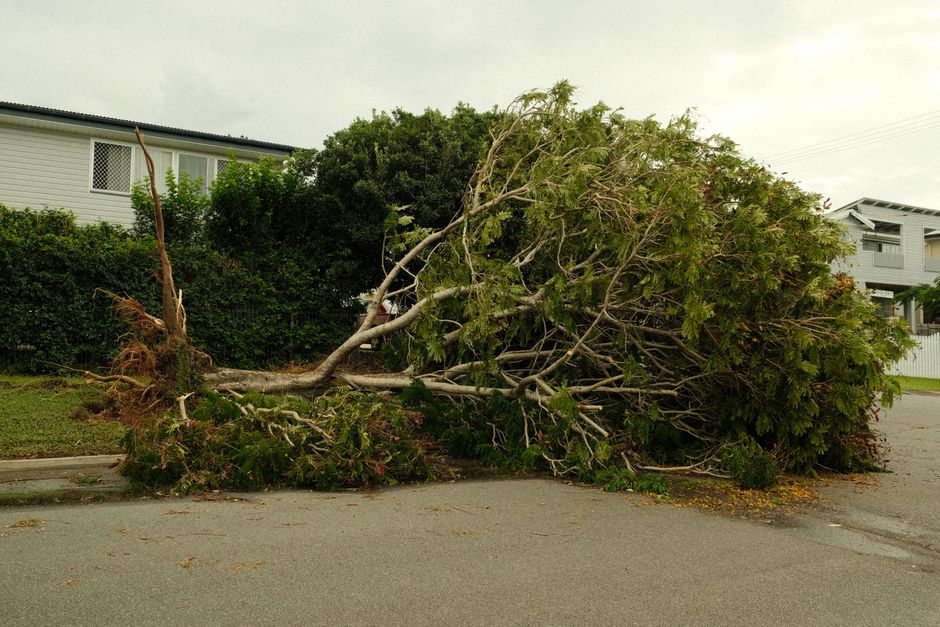
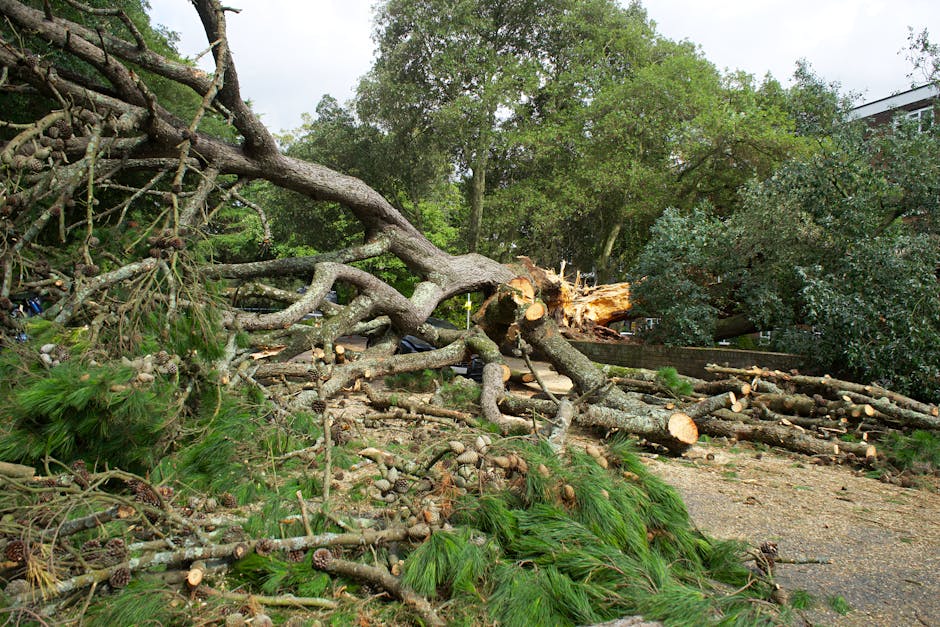
Same day gardeners in Highbury for storm and hedge emergencies
When a storm rolls through Highbury, a garden can go from tidy to troublesome in a matter of minutes. A hedge may split, branches can hang low over paths, fences get battered, and debris ends up where no one wants it. If you need same day gardeners in Highbury for storm and hedge emergencies, speed matters, but so does calm, careful judgement. You want the mess dealt with quickly, yes - but you also want it handled safely, neatly, and without turning a bad afternoon into a bigger problem.
This guide explains what same-day emergency garden support actually covers, how the process usually works, what to check before booking, and where hedge trimming, clearance, and tree-related work fit into the picture. It is written for anyone facing a sudden garden problem and wondering, quite reasonably, "What should I do first?"
In a real stormy-hour scenario, people often need one thing above all else: practical help that arrives fast and leaves the garden safer than it was ten minutes earlier. That is the focus here.
Why Same day gardeners in Highbury for storm and hedge emergencies Matters
Storm damage is rarely just cosmetic. A broken hedge can block a pavement, a leaning branch can threaten a gate or parked car, and a pile of wet debris can make a side passage slippery and awkward to use. In Highbury, where many gardens are compact and boundaries sit close to neighbours, those problems can escalate quickly. One loose section can become two. Then three. You know how it goes.
Same-day help matters because the first few hours after damage often set the tone for everything else. Prompt attention can reduce the chance of further breakage, prevent access issues, and make the space safe again before evening settles in. It also helps avoid the awkward, slightly stressful drift where everyone can see the problem, but nobody wants to touch it without the right tools.
Hedge emergencies deserve special attention because they are deceptively tricky. A hedge might look as though it has simply been "blown about", but split stems, torn limbs, and unstable sections can hide inside the foliage. Quick trimming is not always enough. Sometimes the priority is stabilising the area, removing loose material, and then assessing whether a fuller hedge trimming service or even tree work is needed. For planned garden care, you may later want to look at hedge trimming or broader garden maintenance, but in an emergency the first job is usually safety.
There is also a neighbourly side to all this. In a tight London street, a damaged hedge or overhanging branch can become a shared inconvenience very quickly. If a path is partially blocked, or a boundary has collapsed onto both sides, the sooner it is made secure, the better for everyone involved. That's just common sense, really.
Expert summary: In a storm-related garden emergency, the best same-day response is the one that makes the space safe first, clears access second, and only then decides what can be neatly tidied or fully restored.
How Same day gardeners in Highbury for storm and hedge emergencies Works
Most same-day emergency garden jobs follow a fairly sensible sequence. First comes the call or enquiry. Then a brief triage conversation. Then, if the situation is suitable, a gardener or small team attends with the right tools and a clear idea of what they are walking into. Nothing fancy. Just a steady process that avoids panic work.
The initial assessment usually looks at a few key things:
- Is there immediate risk from hanging branches, unstable hedges, or fallen debris?
- Is access blocked for residents, deliveries, bins, or vehicles?
- Is the issue confined to pruning and clearance, or does it involve larger-scale structural damage?
- Are there neighbouring boundaries, fences, decking, or paths that need protecting during the work?
From there, the job can be prioritised. If a hedge is split but still standing, the team may remove loose, dangerous growth first and tidy the rest once the area is safe. If the storm has brought down branches into a lawn or border, clearance may come before any trimming. In some cases, the work overlaps with tree lopping and removal, especially where limbs are damaged or threatening a structure.
After that, there is usually a clean-up stage. This matters more than people think. Wet clippings, shattered twigs, and torn stems make a garden look unfinished and can be a nuisance if left scattered. A proper same-day visit should aim to leave the site usable, not just "less bad". If the debris is heavy or widespread, garden clearance may be the most practical follow-up.
One thing worth saying plainly: not every job is a true emergency, even if it feels like one at first. A hedge that looks untidy after wind exposure may be more of a fast-turnaround maintenance task than a safety issue. A good provider will tell you that, and frankly, that honesty is reassuring. It saves time and avoids unnecessary work.
Key Benefits and Practical Advantages
The biggest benefit is obvious: speed. But speed alone is not the whole story. A well-handled same-day response gives you a safer, calmer garden and reduces the chance of the damage spreading.
- Faster safety restoration: Loose branches, broken hedge sections, and obstructive debris can be removed before they cause trips, falls, or further breakage.
- Less stress: You get a plan instead of a guessing game. That matters when the weather has already been rough and you are looking at the mess from the kitchen window.
- Better boundary control: Emergency hedge work can stop damage from encroaching into neighbouring gardens or shared access routes.
- Cleaner finish: Good same-day work often includes collection, tidying, and basic site reset, rather than leaving a half-finished pile of clippings behind.
- Reduced secondary damage: Swift action can prevent further tearing, snapping, or waterlogged debris from compressing plants and borders.
There is a more subtle benefit too: decision support. A good gardener helps you decide whether the issue is best solved with trimming, pruning, clearance, or a follow-up maintenance visit. That can prevent overspending or overreacting. To be fair, after a storm, it is easy to assume everything needs major work. Sometimes it does. Sometimes it just needs a careful hand and a bucket of common sense.
For recurring hedge issues, it can also be sensible to look at routine care after the emergency has passed. The maintenance pages on services overview and garden maintenance are useful starting points if the garden needs ongoing attention after the immediate mess has been dealt with.
Who This Is For and When It Makes Sense
This service is for anyone whose garden has become suddenly unsafe, obstructed, or unmanageable after high winds, heavy rain, or a rough overnight spell. In Highbury, that often includes homeowners, tenants, landlords, letting agents, and property managers who need a quick fix before the problem ripens into complaints or access issues.
It makes sense if you are dealing with any of the following:
- a hedge split by wind and leaning into a path or boundary
- branches hanging low over a driveway, side return, or communal entrance
- storm debris scattered across a lawn, patio, or decking area
- a garden entrance blocked by fallen growth
- a boundary that looks unstable and needs immediate attention
- an overgrown hedge that became a problem only once bad weather hit it
It is also useful if you have a tight turnaround. Maybe you have visitors arriving, a letting inspection, or simply want the garden safe before dark. In London, daylight and weather can be a bit of a moving target; you notice it most on the days you need a clear path and a dry hour at exactly the wrong moment.
Sometimes people wait because they think the issue is "not serious enough". Fair enough, nobody wants to overcall things. But if there is any wobbling, hanging, cracking, or blocked access, it is worth getting it looked at promptly. A short visit can prevent a longer headache.
Step-by-Step Guidance
If you need same-day help, a simple approach works best. Keep the job focused and the communication clear.
- Look for immediate danger. Stay away from unstable branches, leaning hedge sections, and any debris close to overhead cables or fences. If something looks precarious, do not poke at it with a broom handle and hope for the best.
- Take a few quick photos. These help explain the problem clearly and make quoting easier. A wide shot and one close-up are usually enough.
- Make access easy. Unlock side gates, clear a route to the main problem, and move pets or garden furniture if you can do so safely.
- Explain the priority. Say whether you need safety clearance, hedge cutting, debris removal, or a mix of all three.
- Ask what is included. Check whether the visit covers clean-up, waste removal, and any follow-up recommendation.
- Approve the work only when it is clear. A quick verbal summary of what will happen should be enough. No mystery gardening, thank you very much.
- Inspect the finished area. Make sure access is open, loose material is gone, and there are no fresh hazards.
If the storm damage is extensive, the first visit may stabilise the garden rather than fully restore it. That is not a failure. It is often the safest and smartest way to handle it. A staged approach can mean immediate risk is dealt with today, then pruning, shaping, or landscaping can follow when the weather settles.
For more scheduled improvements after the emergency, services such as landscaping or landscape gardening can help rebuild the space properly rather than simply patching it up.
Expert Tips for Better Results
Emergency work gets much smoother when a few practical details are sorted early. These are the little things that often make the difference between a quick tidy and a frustrating delay.
- Prioritise safety over neatness. A hedge can be reshaped later. A dangerous branch cannot be left to "see how it goes".
- Don't over-prune in the heat of the moment. Storm-damaged hedges may need selective cutting, not a hard cut that leaves them bare and stressed.
- Ask about waste handling. Wet hedge cuttings and storm debris can be bulkier than they look. Proper removal matters.
- Keep an eye on hidden damage. Torn stems, cracked fence lines, and compressed plants often show up once the visible debris is gone.
- Think about the next three days, not just today. If more wind is forecast, temporary stabilisation may be wiser than a full aesthetic re-shape.
A small but useful point: if your hedge is near a pathway, you may want the cut line lifted slightly for access and visibility, even if that means the finished shape is not picture-perfect. That's fine. Emergency work is about balance, not beauty-pageant symmetry.
Another tip from experience: make sure someone on site knows which boundaries are yours and which are shared. Sounds obvious, but in reality, it saves awkwardness. Fast.
Common Mistakes to Avoid
When a storm has just done its thing, people often rush. Understandable. But rushing can create a second problem right on top of the first.
- Ignoring unstable growth: If a hedge section is still attached but visibly split, it can worsen quickly in wind.
- Trying to cut everything down yourself: Some light tidying is fine, but awkward, weighted, or high sections are best left to a professional.
- Forgetting about nearby hazards: Fences, glass panels, decking edges, and soft ground can all be affected by falling material.
- Not clarifying the scope: A same-day visit should be specific. Otherwise you may expect clearance when only pruning is included, or vice versa.
- Leaving the clean-up unfinished: Small loose twigs are easy to miss, but they can be slippery underfoot or annoying in a shared passage.
There is also the classic mistake of treating every storm-damaged hedge as a simple hedge trim. Sometimes it is. Sometimes it is not. The difference is whether the issue is cosmetic or structural. If the hedge is leaning, torn, or connected to a weakened tree limb, the work can move beyond standard trimming and into safety-led clearance.
And yes, it is tempting to "just deal with it later" when rain is still coming down. But late often means darker, wetter, and more fiddly. Not ideal.
Tools, Resources and Recommendations
For same-day storm and hedge work, the right tools matter. Good equipment makes the job faster, cleaner, and safer, especially when plants are wet and tangled.
| Tool or resource | Why it helps | Best used for |
|---|---|---|
| Hedge trimmers | Efficiently tidy split or wind-ruffled hedge growth | Shaping, reducing ragged edges, clearing lighter hedge damage |
| Secateurs and loppers | Allow precise cuts on smaller damaged stems | Selective pruning and removal of torn growth |
| Rakes, tarps and bags | Speed up collection and keep debris under control | Wet clippings, leaf litter, scattered storm waste |
| Safety gloves and eye protection | Protect against sharp twigs, splinters and snagging | All emergency garden work, especially clear-up |
| Disposal plan | Keeps the site clean once cutting is done | Any job involving bulky hedge waste or broken branches |
If the work is likely to involve larger-scale garden waste, pairing the job with garden clearance is often the most efficient route. If the issue is more about regular upkeep and preventing future hedge blowouts, then scheduled lawn mowing and tidy garden care can keep the overall space more manageable too. A neglected lawn or border can make storm debris look worse than it is, funny enough.
For homeowners who want longer-term resilience, it is also worth thinking about hedge shape, density, and seasonal growth cycles. Dense hedges can act like sails in strong winds. That does not mean you should strip them bare, obviously, but it does mean the structure and cut strategy matter.
Law, Compliance, Standards and Best Practice
Emergency gardening is practical work, but it still sits within a wider framework of safety, responsibility, and good practice. If a branch, hedge, or fallen section is near a public path, shared boundary, or neighbouring property, the work should be handled with care and a clear understanding of risk.
In the UK, a sensible professional approach usually includes:
- working safely around unstable material and awkward cut points
- using appropriate protective equipment
- keeping pathways and entrances as clear as reasonably possible during the job
- avoiding unnecessary damage to neighbouring property
- disposing of green waste responsibly
For customers, it is reasonable to ask how a provider approaches safety and insurance. You are not being difficult. You are being sensible. If a business can explain its approach clearly, that is usually a good sign. You may also want to review pages such as insurance and safety and health and safety policy to understand the standards being followed.
Environmental care also matters. Fallen branches, hedge clippings, and mixed green waste should be handled in a way that supports recycling or responsible disposal where possible. If sustainability matters to you, the page on recycling and sustainability is a useful reference point.
One more thing: if access is shared, or if the damage affects a dividing line, it is usually best to stay calm and document the problem clearly. A few photos and a clear description can prevent unnecessary back-and-forth. No need for drama. The hedge has already done enough of that.
Options, Methods, or Comparison Table
Not every urgent garden issue needs the same response. The right method depends on what has happened, how unsafe the area is, and how quickly you need it usable again.
| Method | Best for | Strengths | Limitations |
|---|---|---|---|
| Emergency hedge trimming | Wind-ruffled or split hedge sections | Fast, targeted, improves access and appearance | Not ideal if large structural damage is present |
| Debris clearance | Scattered branches, leaves, and storm waste | Restores usability quickly | Does not solve underlying hedge shape or stability issues |
| Tree-related remedial work | Damaged limbs or overhanging branches | Addresses the source of some storm problems | May require more assessment and careful handling |
| Full garden maintenance visit | Repeated overgrowth or a garden that needs a reset | Good for longer-term tidiness | Less focused on immediate emergencies |
If you are deciding between a quick emergency response and a broader tidy-up, ask one simple question: "What is the risk if I wait?" If the answer is access, safety, or worsening damage, go same day. If the answer is mainly visual untidiness, a planned visit may be fine. Honest distinction, that's all.
Case Study or Real-World Example
Imagine a Highbury garden after a windy night. The hedge along a narrow side return has split near the top, and several branches have dropped into a wet patch beside the bins. Nothing dramatic enough to make the headlines, but enough to make the route awkward, muddy, and a bit unsafe. The owner notices it first thing in the morning and wants the area sorted before guests arrive later that day.
A same-day gardener would usually begin by checking the unstable hedge sections and removing any loose material that could drop further. The team would then clear the side return so the bins and back gate can be used again, and only after that would they tidy the visible hedge line. If one side of the hedge is still healthy, it may be lightly shaped rather than cut hard. If the storm has exposed deeper damage, a second visit might be recommended for fuller restoration.
What did that solve? Several things at once: safe access, less mess, reduced risk of the split worsening, and a cleaner boundary line before the evening. Not glamorous, but very effective. And honestly, that is what most people want from emergency garden help - the problem handled without fuss.
In a slightly larger job, the gardener might also advise on follow-up work such as tree lopping and removal if a branch source contributed to the hedge damage, or a broader visit to keep the area under control for the rest of the season.
Practical Checklist
Use this quick checklist if you are trying to decide what to do after storm damage or a hedge emergency.
- Is anyone in immediate danger from loose branches or leaning growth?
- Has access to a path, gate, driveway, or communal area been blocked?
- Are there visible cracks, splits, or hanging sections in the hedge?
- Is there debris that could cause slipping or further damage?
- Have you taken clear photos of the issue?
- Do you know whether the problem is mainly pruning, clearance, or tree-related?
- Can the gardener access the garden without delay?
- Have you asked what clean-up and disposal are included?
- Will you need a follow-up visit after the first stabilisation work?
- Have you checked the provider's safety and insurance approach?
If you can tick most of those boxes, you are in a good position to arrange same-day help without wasting time. If not, that is fine too. Start with the basics and work outward. The important thing is to keep the job manageable.
Get a free quote today and see how much you can save.
Conclusion
Storm damage is stressful enough without having to guess who can help, what the work should include, or whether a hedge problem has quietly become a safety issue. Same-day gardeners in Highbury bring practical relief to those moments. They help you make the garden safe, restore access, and decide what needs to happen next - all without dragging the problem into tomorrow.
The smartest approach is usually straightforward: assess the risk, clear the urgent hazards, tidy the visible damage, and then plan any follow-up maintenance once the weather settles. That keeps the job focused and avoids unnecessary spend. It also gives you a garden that feels usable again, which matters more than people sometimes admit.
If your hedges, paths, or borders have taken a hit, there is no shame in getting fast help. Quite the opposite. It is the sensible move. And when the garden is calm again, you will be glad you handled it properly.
For broader help beyond emergencies, you can also explore about us and the wider services overview to understand how ongoing care and emergency response can fit together over time.
Frequently Asked Questions
What counts as a hedge emergency in Highbury?
A hedge emergency is usually anything that creates immediate risk, blocks access, or is likely to worsen quickly. That might include a split hedge, a leaning boundary, or loose sections hanging over a path or neighbour's garden.
Can same-day gardeners deal with storm debris as well as hedge damage?
Yes, in many cases they can. A same-day visit often combines hedge trimming with debris removal so the garden is made safer and easier to use straight away.
Should I cut storm-damaged hedge branches myself before help arrives?
Only if the material is small, stable, and easy to reach. If anything is awkward, weighted, or unstable, it is better to leave it alone until a professional can assess it.
How quickly can a same-day gardener usually attend?
That depends on workload, weather conditions, and the urgency of the issue. Same-day often means as soon as a safe slot is available, but exact timing is best confirmed at enquiry stage.
Is hedge trimming enough after a storm?
Sometimes yes, sometimes no. If the hedge is simply ragged or overhanging, trimming may be enough. If it is split, leaning, or unstable, the job may need clearing and a more careful safety-led approach first.
What should I prepare before the gardener arrives?
Clear access if you can, take a few photos, keep pets inside, and tell the gardener exactly what is causing concern. A quick, clear brief saves time.
What if the storm damage involves a tree as well as the hedge?
Then the job may move into tree-related remedial work. If branches are involved, or if the source of the problem is higher up, a provider may recommend tree lopping and removal or a similar follow-up.
Will the garden be fully tidy after a same-day emergency visit?
Often it will be much tidier, but not always fully restored. The first priority is safety and access. If the damage is extensive, a second visit may be needed for full finishing.
How do I know if the job needs clearance rather than just trimming?
If there is a lot of fallen material, broken stems, or tangled waste, clearance may be the better fit. If the issue is mainly shape and overgrowth, trimming may be enough. Many jobs involve a bit of both.
Is it worth arranging regular maintenance after an emergency?
Usually, yes. Regular upkeep can reduce the chance of hedges becoming brittle, overgrown, or top-heavy before the next windy spell. It is a calmer way to stay ahead of the problem.
What if I only need advice, not immediate work?
That is fine too. A quick assessment can help you decide whether to book same-day work now or schedule a maintenance visit later. Sometimes the best answer is simply to plan the next sensible step.
How do I get started?
If you already know the problem needs prompt attention, gather a couple of photos, note the main issue, and make an enquiry. If you are still unsure, start by describing what happened and what looks unstable. A clear first message helps more than you might think.